home-kitchen

Experts in remodeling.

We have the education, experience and team for your dream project.

Archive for the ‘floors’ Category

Keeping Your Floors Clean And Bright

by admin, 10:57 AM on May 10th, 2012, Comments Off

Your new floor is an important part of the investment you’ve made in your newly remodeled space.  Proper maintenance and care will help it give you a lifetime of comfort and beauty.  Here are a few tips for cleaning the most common floor coverings.

Hardwood Floors

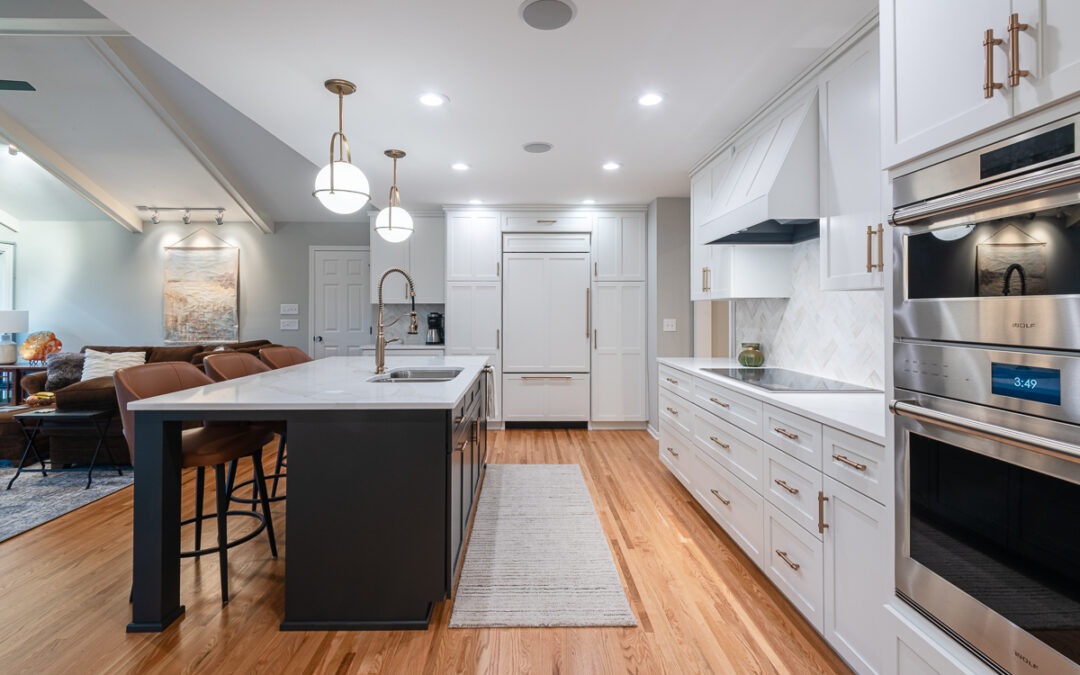
Moisture is your floor’s greatest enemy. Wipe spills immediately. If you have wood flooring in your kitchen, put an area rug in front of the sink.  Dirt and dust can scratch your floor. Sweep, dust mop or vacuum regularly, but never vacuum with the beater bars operating. Use doormats at all exterior entrances to trap dirt and clean them regularly too.  Make sure the heels of shoes, especially high heels, are in good repair. Unprotected heel tips or nails can damage a floor.  Use felt glides on furniture and periodically check to see that they remain clean.

Carpet

Regular vacuuming is the most important cleaning activity for carpet, but deep cleaning is required to remove stubborn dirt and stains. The Carpet and Rug Institute recommends that carpet be deep cleaned at least every 12 or 18 months. No matter what method you choose, follow the manufacturers’ directions on all cleaning products.

Your carpet’s fiber determines the appropriate cleaning method. Most carpet manufactured today is made with synthetic fibers like nylon, polyester or olefin, and may be cleaned with most cleaning methods.  Natural fibers may require specialized care.  Ask your carpet installer for advice on the best cleaning method for your floor.

Tile and Stone

For regular granite maintenance, use a solution of a mild non-abrasive cleaner or clear non-sudsing ammonia and water. Natural stones (travertine and limestone) can be cleaned using a neutral or slightly alkaline non-abrasive cleaner with a pH between seven and 10.  For routine maintenance of ceramic tile use a non oil-based all purpose cleaner Rinse thoroughly with clean water to remove all traces of cleaning solution.  Dry with soft white cloth to prevent streaking.

Dealing With Water In Basement Remodeling

by admin, 2:47 PM on March 22nd, 2012, Comments Off

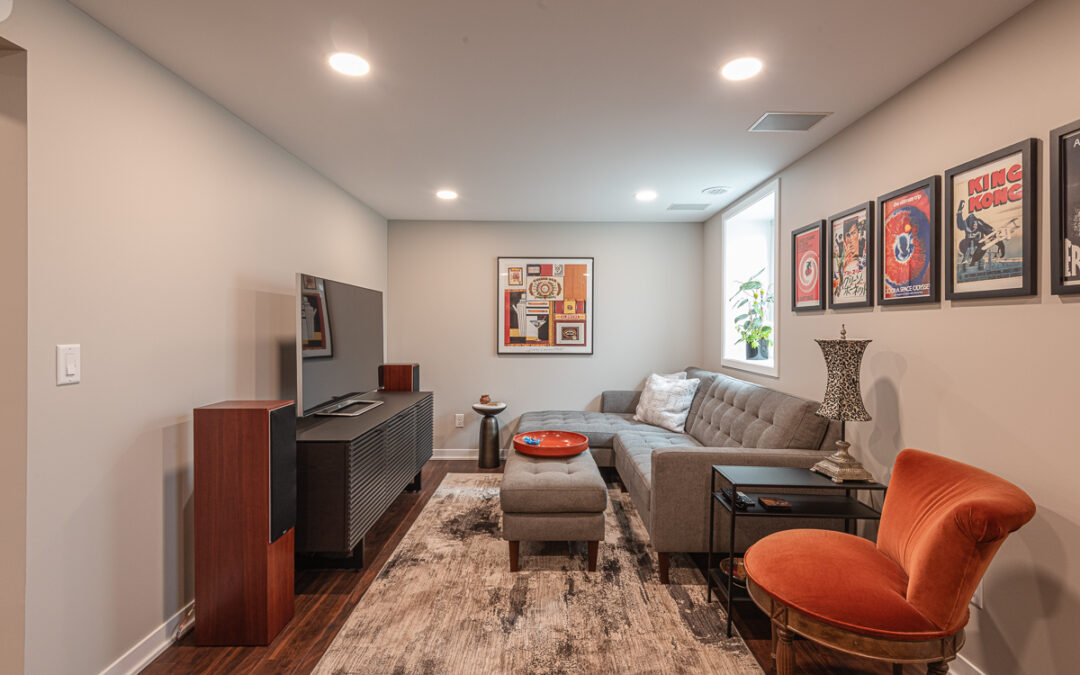
Basement remodeling adds significant space to a house.  Homeowners need to keep certain basement-specific requirements in mind, however.  Water is a big challenge in many homes.  Humidity and leaks are two common sources of water damage in basements.

Humidity

Humidity can be difficult to notice, but can cause long-term damage from mold and stagnant wetness in walls and flooring materials.  Before we begin a basement remodeling project, we check for humidity.   You can check for condensation by hanging a mirror in the basement–if the mirror fogs up after a few hours, condensation is present in the basement.  Fans and humidifiers can help to reduce the impact of humidity.

Leak Prevention

Controlling surface water and waterproofing basements are important parts of any basement remodel. The yard around the foundation should slope downhill away from the house.  This will prevent many of the conditions that lead to leaky basements and water damage to the foundation.  It’s also possible to coat the interior of the foundation walls with a mix of concrete paint that blends with the masonry of the foundation walls.

Floors

Remodeled basements often see heavy foot traffic.  If your basement is prone to water leaks, we can use materials that can withstand heavy use as well as excessive water.  Tile can be one durable, water-resistant flooring material option.

Talk to our design team today.  We can help you determine what water challenges your basement might face and the kinds of things we can do to prevent and minimize the impact of water on your new basement.

Create A Castle For Your Kids

by admin, 2:39 PM on February 3rd, 2012, Comments Off

Many basements become playrooms by default.  Why not design a unique, creative play space for the kids that brings their imaginations to life?  Kids love to have their own spaces.  A playroom in the lower level gives them the perfect place for projects, playtime or just “hanging out”.

Kid Size It

Adult rooms can be overwhelming, especially for young children.  High shelves, tall furniture and big storage containers make kids feel like they’re living in the land of giants.  A kids’ playroom really shines when built-in bookcases and shelving units are built at kid height.  Kid-sized tables and other furniture make it easy for kids to sit, stand or lay around comfortably.

Keep It Comfy

Plush furniture and cozy flooring keep kids comfy and safe.  Carpeting or cork flooring are warm under bare feet and make the floor an inviting place to lie down with a good book.  Overstuffed chairs and a stuffed animal will keep kids company for hours.  These design elements also help keep young kids from skinning knees and bumping elbows on hard surfaces.

Make A Secret Space

Every kid has made a “fort” with blankets pillows and furniture.  A corner of a fun playroom can be transformed into a built-in castle, playhouse or just a simple cubbyhole with a curtain where kids can dream up big adventures, play hide and seek or just curl up for a nap.


Every kid dreams of their secret hideaway.  A lower level playroom can make that dream a reality.  Call our design department today to start designing your kids’ castle.

New Floor Covering Choices Emerge

by admin, 3:26 PM on August 4th, 2011, Comments Off

Traditional hardwood floors or carpeting have been the go-to floor coverings for generations.  But in the last 10 years, more materials have been gaining popularity as alternatives to the old standbys.

Hardwood floors may always be the most popular flooring choice. However, there are growing categories of flooring that add warmth, comfort and durability to many homes.   Bamboo, cork and even reclaimed wood are becoming increasingly popular as homeowners look for unique choices in their kitchens, baths and living spaces.

Reclaimed wood, often taken from old farmhouses and barns, makes a great, durable floor covering for vintage homes.  At the same time, it can provide a nice balance in a contemporary remodeling project.  Reclaimed wood is inherently “green”.  No new trees are harvested to create reclaimed wood.  There are a wide range of woods to choose from as well, including beautiful white pine and durable chestnut.

Bamboo, mostly supplied from China, is a very hard flooring material, as durable as white oak and rock maple.  Bamboo is also very green.  Bamboo is harvested in the same was as you mow your lawn.  It is essentially a grass-like plant that regrows very quickly.

Cork, usually from Spain or Portugal, is another very sustainable flooring option.  The bark of the tree is harvested instead of the wood of the tree itself.  The bark regrows quickly, making it a great choice for environmentally-conscious homeowners.  Cork makes an ideal floor covering for kitchens.  It’s soft, making it very comfortable to stand on and very forgiving to a dropped plate or bowl.

Cork, bamboo and reclaimed wood may be slightly more expensive, but their durability, comfort and low impact on the environment make them very popular alternatives to traditional hardwood or carpeted floors.