by admin, 10:57 AM on May 10th, 2012, Comments Off
Your new floor is an important part of the investment you’ve made in your newly remodeled space. Proper maintenance and care will help it give you a lifetime of comfort and beauty. Here are a few tips for cleaning the most common floor coverings.
Hardwood Floors
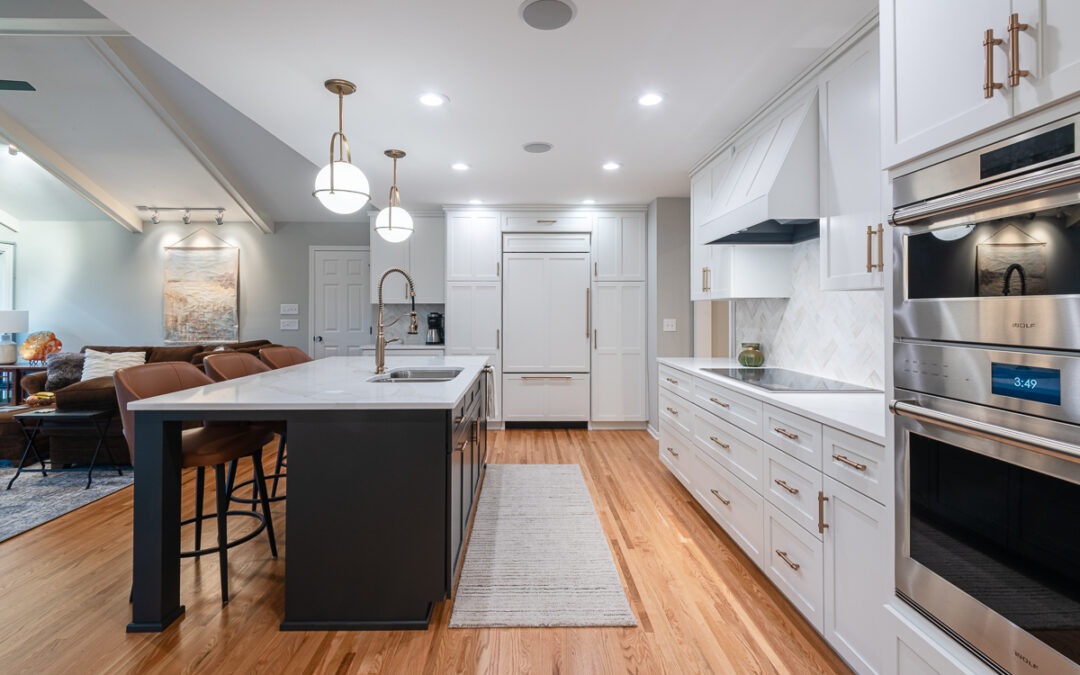
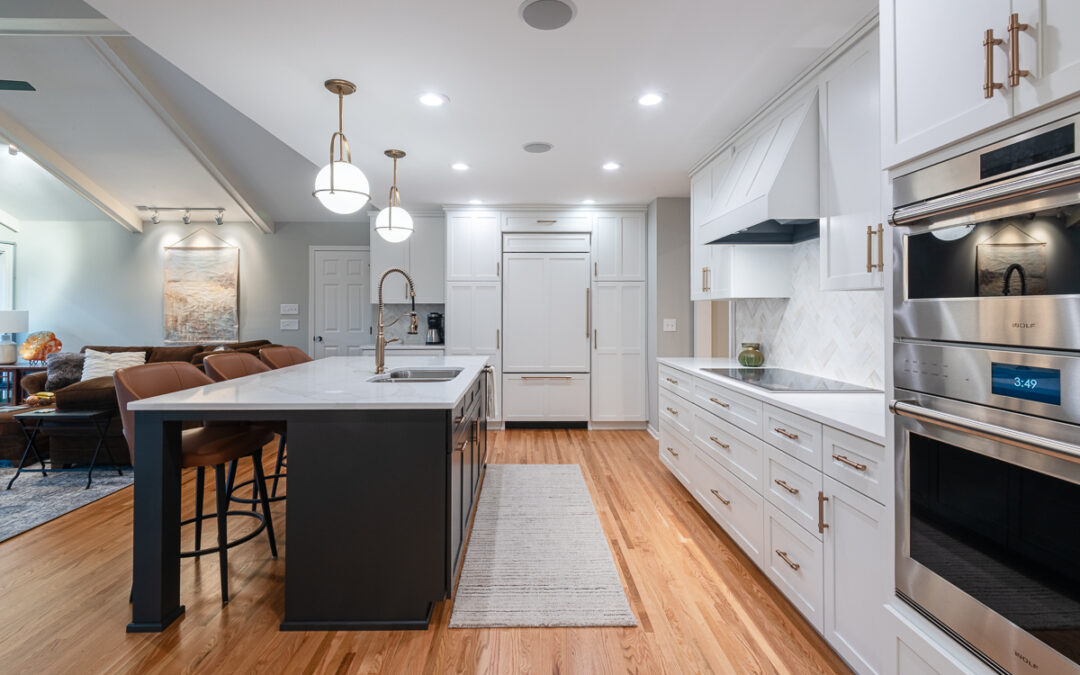
Moisture is your floor’s greatest enemy. Wipe spills immediately. If you have wood flooring in your kitchen, put an area rug in front of the sink. Dirt and dust can scratch your floor. Sweep, dust mop or vacuum regularly, but never vacuum with the beater bars operating. Use doormats at all exterior entrances to trap dirt and clean them regularly too. Make sure the heels of shoes, especially high heels, are in good repair. Unprotected heel tips or nails can damage a floor. Use felt glides on furniture and periodically check to see that they remain clean.
Carpet
Regular vacuuming is the most important cleaning activity for carpet, but deep cleaning is required to remove stubborn dirt and stains. The Carpet and Rug Institute recommends that carpet be deep cleaned at least every 12 or 18 months. No matter what method you choose, follow the manufacturers’ directions on all cleaning products.
Your carpet’s fiber determines the appropriate cleaning method. Most carpet manufactured today is made with synthetic fibers like nylon, polyester or olefin, and may be cleaned with most cleaning methods. Natural fibers may require specialized care. Ask your carpet installer for advice on the best cleaning method for your floor.
Tile and Stone
For regular granite maintenance, use a solution of a mild non-abrasive cleaner or clear non-sudsing ammonia and water. Natural stones (travertine and limestone) can be cleaned using a neutral or slightly alkaline non-abrasive cleaner with a pH between seven and 10. For routine maintenance of ceramic tile use a non oil-based all purpose cleaner Rinse thoroughly with clean water to remove all traces of cleaning solution. Dry with soft white cloth to prevent streaking.
by admin, 11:15 AM on April 26th, 2012, Comments Off
Many owners of older homes would love to create a luxurious spa oasis, but don’t have the space in their main and upper floors – or the budget to expand the home’s footprint. The answer may be right under your feet – literally. A bathroom in the basement can be added without adding square footage to the exterior footprint of the home.
Physical Considerations
Basements can be a wonderful place to create the spa you’ve been dreaming of, but there are some structural elements that need to be accommodated. Existing plumbing is an important one. Often, placing a basement bathroom below an existing bathroom can help reduce the cost of new plumbing. Wiring and electrical infrastructure should be considered as well. The new bathroom must meet new building codes, even if the rest of the house does not. Ventilation is another critical aspect of the new room. Without proper venting, a basement bathroom can be very damp.
Spa Features
A basement bathroom can be more spacious than an upper floor bathroom – allowing homeowners to add creativity and luxury to the new room. Whirlpool tubs, showers with multiple jets, saunas and heated floors are common amenities in new basement bathrooms. Other unique accessories can include furniture-style cabinetry, vanities and accent pieces. Older homeowners often enjoy a shower seat. They make great storage areas but also offer a relaxing shower experience.
Our design team has helped homeowners add relaxing, luxurious spa bathrooms to many basements. Call us today to find out how we can create an oasis in your home.
by admin, 2:47 PM on March 22nd, 2012, Comments Off
Basement remodeling adds significant space to a house. Homeowners need to keep certain basement-specific requirements in mind, however. Water is a big challenge in many homes. Humidity and leaks are two common sources of water damage in basements.
Humidity
Humidity can be difficult to notice, but can cause long-term damage from mold and stagnant wetness in walls and flooring materials. Before we begin a basement remodeling project, we check for humidity. You can check for condensation by hanging a mirror in the basement–if the mirror fogs up after a few hours, condensation is present in the basement. Fans and humidifiers can help to reduce the impact of humidity.
Leak Prevention
Controlling surface water and waterproofing basements are important parts of any basement remodel. The yard around the foundation should slope downhill away from the house. This will prevent many of the conditions that lead to leaky basements and water damage to the foundation. It’s also possible to coat the interior of the foundation walls with a mix of concrete paint that blends with the masonry of the foundation walls.
Floors
Remodeled basements often see heavy foot traffic. If your basement is prone to water leaks, we can use materials that can withstand heavy use as well as excessive water. Tile can be one durable, water-resistant flooring material option.
Talk to our design team today. We can help you determine what water challenges your basement might face and the kinds of things we can do to prevent and minimize the impact of water on your new basement.
by admin, 2:16 PM on March 7th, 2012, Comments Off
We are featuring two beautiful homes in the Parade of Homes Remodelers Showcase this month! Be sure to stop by these two locations and experience the results our creative design team delivered for the happy homeowners.
5132 W. 29th Street
St. Louis Park
Type of Project:
Multi-room, Room Addition, Deck/Patio/Porch, Lower Level, Bathroom, Kitchen, Exterior, Garage, Mud Room/Laundry
Scope:
Some well-needed space here! We took a mid 1950’s home and practically doubled the square footage while maintaining its architectural charm along with some much needed exterior tweaks. Come visit and see a beautifully open floor plan complete with large expansive kitchen and dining room design, along with a welcoming front room. This remodel also includes a mud room, powder bath, and two-car garage addition with finished square footage below. Some great solutions for any home of this era.
Get directions to this showcase home.
220 Oak Grove Place
St. Paul
Type of Project:
Multi-room, Room Addition, Main Level, Kitchen
Scope:
We designed and built an addition with a mud room/kitchen/hearth room. We used the existing space to create a large mud room with custom lockers. We then designed, built, finished and installed a custom kitchen to flow from the remaining space and into the new space. We completed the design with a humble sitting room with fireplace along with access to the deck. All millworks and moldings are from our own shops and are from the period the original home is from. Adding the flair of modern amenities, we challenge you to find the seams in this build!
Get directions to this showcase home.
by admin, 2:39 PM on February 3rd, 2012, Comments Off
Many basements become playrooms by default. Why not design a unique, creative play space for the kids that brings their imaginations to life? Kids love to have their own spaces. A playroom in the lower level gives them the perfect place for projects, playtime or just “hanging out”.
Kid Size It
Adult rooms can be overwhelming, especially for young children. High shelves, tall furniture and big storage containers make kids feel like they’re living in the land of giants. A kids’ playroom really shines when built-in bookcases and shelving units are built at kid height. Kid-sized tables and other furniture make it easy for kids to sit, stand or lay around comfortably.
Keep It Comfy
Plush furniture and cozy flooring keep kids comfy and safe. Carpeting or cork flooring are warm under bare feet and make the floor an inviting place to lie down with a good book. Overstuffed chairs and a stuffed animal will keep kids company for hours. These design elements also help keep young kids from skinning knees and bumping elbows on hard surfaces.
Make A Secret Space
Every kid has made a “fort” with blankets pillows and furniture. A corner of a fun playroom can be transformed into a built-in castle, playhouse or just a simple cubbyhole with a curtain where kids can dream up big adventures, play hide and seek or just curl up for a nap.
Every kid dreams of their secret hideaway. A lower level playroom can make that dream a reality. Call our design department today to start designing your kids’ castle.