by admin, 11:15 AM on April 26th, 2012, Comments Off
Many owners of older homes would love to create a luxurious spa oasis, but don’t have the space in their main and upper floors – or the budget to expand the home’s footprint. The answer may be right under your feet – literally. A bathroom in the basement can be added without adding square footage to the exterior footprint of the home.
Physical Considerations
Basements can be a wonderful place to create the spa you’ve been dreaming of, but there are some structural elements that need to be accommodated. Existing plumbing is an important one. Often, placing a basement bathroom below an existing bathroom can help reduce the cost of new plumbing. Wiring and electrical infrastructure should be considered as well. The new bathroom must meet new building codes, even if the rest of the house does not. Ventilation is another critical aspect of the new room. Without proper venting, a basement bathroom can be very damp.
Spa Features
A basement bathroom can be more spacious than an upper floor bathroom – allowing homeowners to add creativity and luxury to the new room. Whirlpool tubs, showers with multiple jets, saunas and heated floors are common amenities in new basement bathrooms. Other unique accessories can include furniture-style cabinetry, vanities and accent pieces. Older homeowners often enjoy a shower seat. They make great storage areas but also offer a relaxing shower experience.
Our design team has helped homeowners add relaxing, luxurious spa bathrooms to many basements. Call us today to find out how we can create an oasis in your home.
by admin, 2:47 PM on March 22nd, 2012, Comments Off
Basement remodeling adds significant space to a house. Homeowners need to keep certain basement-specific requirements in mind, however. Water is a big challenge in many homes. Humidity and leaks are two common sources of water damage in basements.
Humidity
Humidity can be difficult to notice, but can cause long-term damage from mold and stagnant wetness in walls and flooring materials. Before we begin a basement remodeling project, we check for humidity. You can check for condensation by hanging a mirror in the basement–if the mirror fogs up after a few hours, condensation is present in the basement. Fans and humidifiers can help to reduce the impact of humidity.
Leak Prevention
Controlling surface water and waterproofing basements are important parts of any basement remodel. The yard around the foundation should slope downhill away from the house. This will prevent many of the conditions that lead to leaky basements and water damage to the foundation. It’s also possible to coat the interior of the foundation walls with a mix of concrete paint that blends with the masonry of the foundation walls.
Floors
Remodeled basements often see heavy foot traffic. If your basement is prone to water leaks, we can use materials that can withstand heavy use as well as excessive water. Tile can be one durable, water-resistant flooring material option.
Talk to our design team today. We can help you determine what water challenges your basement might face and the kinds of things we can do to prevent and minimize the impact of water on your new basement.
by admin, 3:57 PM on March 14th, 2012, Comments Off
More than 33 million workers in the U.S. — including employees, contractors, and small business owners – work at home at least a portion of the time. That number has risen more than 17 percent since 2006.
Designing a home office is a big undertaking. Prior to designing a home office, we will assess how you will use it and what requirements it must fulfill. Will this be your primary workspace, or a secondary space? You may spend eight or more hours a day in the space we create, and the decisions we make today can enhance the success of your work. Here are some key considerations for a home office design.
Location
This is one of the most important considerations of home office planning. Your basement may offer a quiet, isolated space, but natural light may be limited. Do you have young children? An office off the foyer may not work. Do you meet with clients or receive frequent deliveries? An upstairs bedroom might not be best.
Organization
A functional home office needs to include space for computer(s), file storage, printer, phone and possibly a project area for non-computer activities. Having computers and peripherals within easy reach makes for a more functional workspace. One element that often gets overlooked is wiring – power and computer connections. A good home office includes plenty of electrical outlets and allows for convenient, yet tucked-away access to cords and cables.
Light
Window placement in home offices can dramatically affect your work. South-facing windows give direct light all year long, but can create glare in fall and spring. North-facing windows reduce overall natural light and demand more artificial light in the room. East and west-facing windows can brighten a room early and late in the day. We’ll consider your light sources when we design your home office to maximize natural light and minimize glare. Task lighting is also important. Consistent natural light may not always be available, so bright under-cabinet or recessed ceiling lights can improve home office lighting.
Health
If you are working from home for someone else, they are required to ensure that you’re working in a safe and comfortable environment, meeting all the federal and state requirements. If you are working on your own, it’s up to you make your workspace as comfortable as possible. We’ll make sure your new space is as ergonomically designed as it can be.
A home office can add to your productivity. Contact our design team today to start designing your new workspace.
by admin, 2:16 PM on March 7th, 2012, Comments Off
We are featuring two beautiful homes in the Parade of Homes Remodelers Showcase this month! Be sure to stop by these two locations and experience the results our creative design team delivered for the happy homeowners.
5132 W. 29th Street
St. Louis Park
Type of Project:
Multi-room, Room Addition, Deck/Patio/Porch, Lower Level, Bathroom, Kitchen, Exterior, Garage, Mud Room/Laundry
Scope:
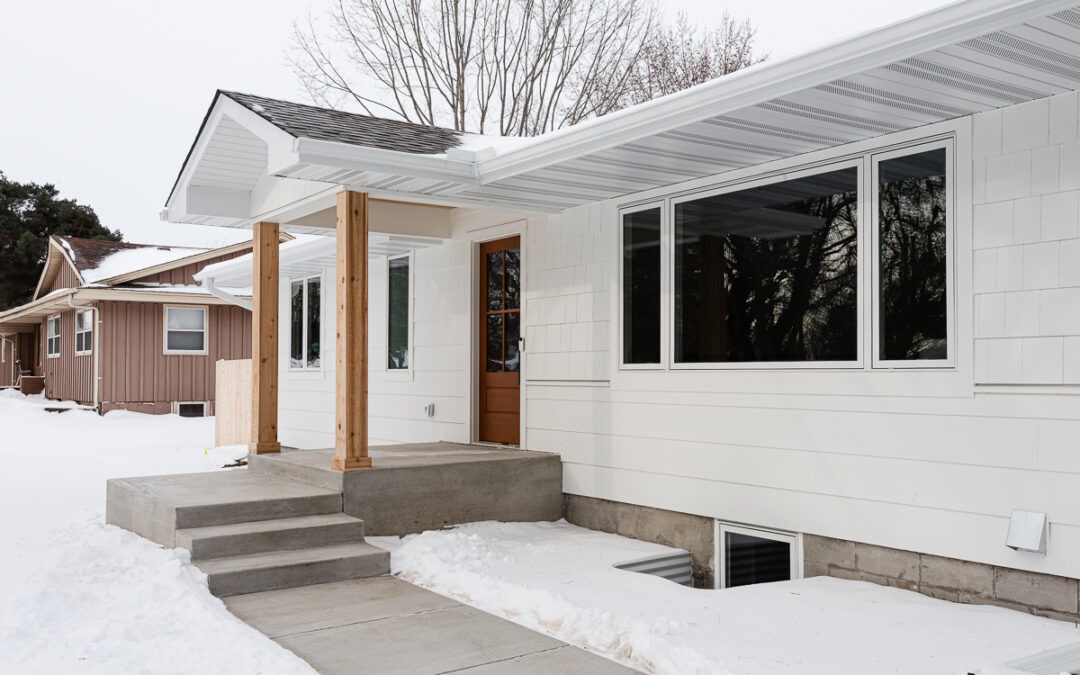
Some well-needed space here! We took a mid 1950’s home and practically doubled the square footage while maintaining its architectural charm along with some much needed exterior tweaks. Come visit and see a beautifully open floor plan complete with large expansive kitchen and dining room design, along with a welcoming front room. This remodel also includes a mud room, powder bath, and two-car garage addition with finished square footage below. Some great solutions for any home of this era.
Get directions to this showcase home.
220 Oak Grove Place
St. Paul
Type of Project:
Multi-room, Room Addition, Main Level, Kitchen
Scope:
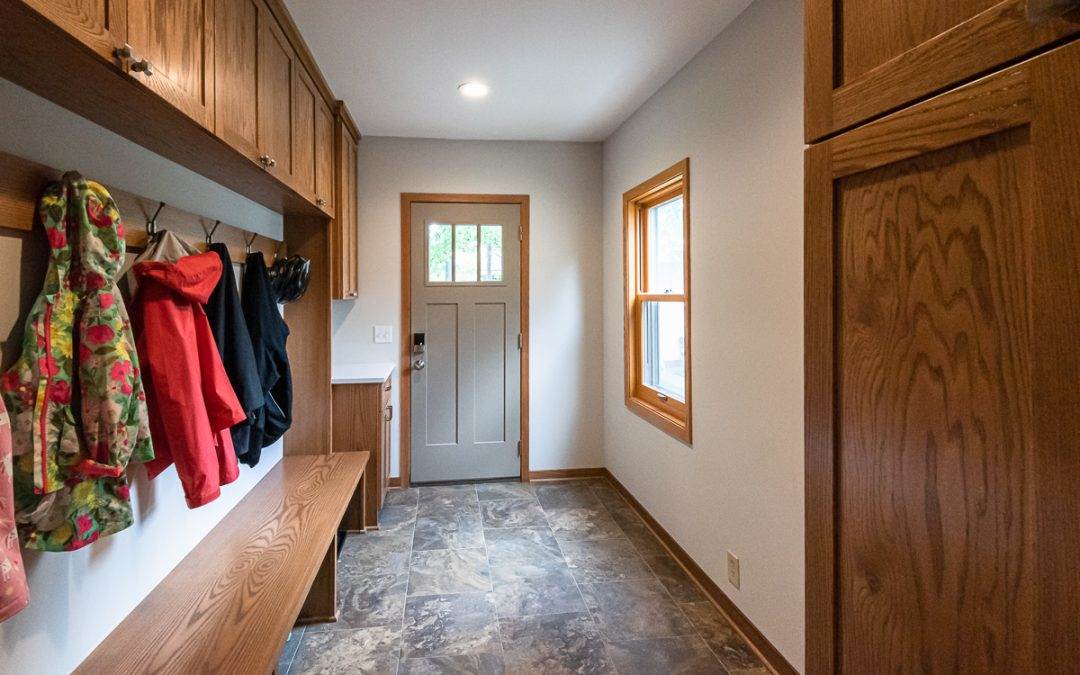
We designed and built an addition with a mud room/kitchen/hearth room. We used the existing space to create a large mud room with custom lockers. We then designed, built, finished and installed a custom kitchen to flow from the remaining space and into the new space. We completed the design with a humble sitting room with fireplace along with access to the deck. All millworks and moldings are from our own shops and are from the period the original home is from. Adding the flair of modern amenities, we challenge you to find the seams in this build!
Get directions to this showcase home.
by admin, 12:43 PM on February 9th, 2012, Comments Off
Home remodeling projects are exciting. The dream of a new kitchen, bathroom or family room brings smiles to the whole family’s faces. But remodeling projects are disruptive by nature. A favorite coffee cup can go missing, cooking meals in a microwave gets old and the loss of that convenient shower can be frustrating.
A few easy prep steps can dramatically reduce the disruption of any home remodeling project. The better you prepare your home for the displacement, dust and traffic in your house, the smoother your project will be.
1. Gather supplies. You will need boxes, newspapers, packing materials, packing tape, masking tape, quart size and gallon size plastic storage bags and markers.
2. A week before the project begins, start packing up the contents of your cabinets, beginning with the least-used items. Unpack in reverse order – it will streamline the process. If you’re remodeling your kitchen, pack eating utensils in the gallon size plastic storage bags. Use a bag each for knives, forks, spoons and cooking utensils.
3. Take down window treatments and wall decorations. Put the hardware in plastic storage bags and label them. This is a good time to clean and dust the items if you will be using them again in the remodeled room.
4. Move any pictures, mirrors, furniture, and other items in neighboring rooms away from walls adjacent to the room to be remodeled. Vibrations from the construction could knock them off and break them.
5. Set aside things you don’t use anymore for donation. Make a list and estimate the value before you take them to your local donation center. Throw out anything broken or unusable. This is a great time to reduce clutter.
6. Protect what you can’t remove; floors should be covered, dust curtains hung and a pathway defined for workmen to enter and exit the workspace. Use plastic sheeting and tape to seal off doorways into other rooms and cover bookshelves, furniture, and electronic equipment. If you have a basement below the demo area that is open, cover anything there as well.
We’ll do our best to make the remodeling process as pleasant as possible. With a few extra steps, you’ll be enjoying your new room in no time!